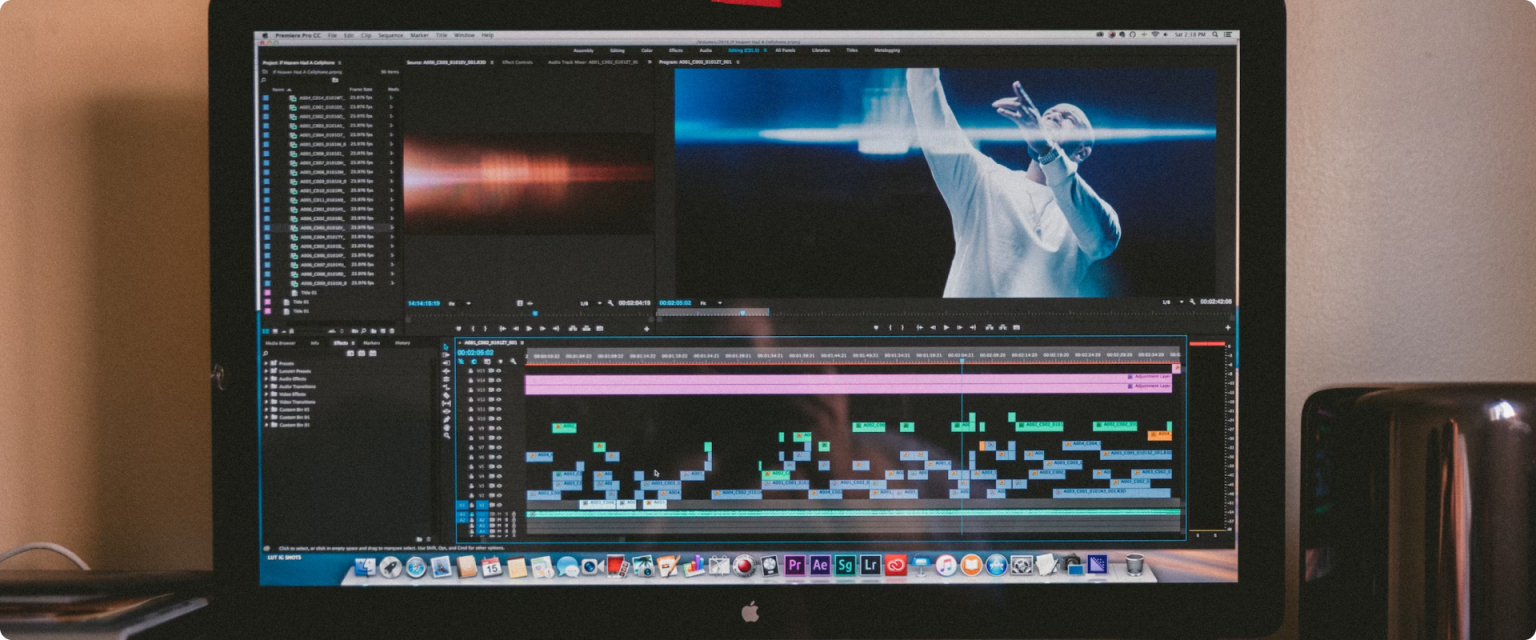
The editing process is a crucial stage in filmmaking, where filmmakers have the opportunity to shape their vision and create captivating narratives. When it comes to crafting a teaser for your masterpiece, every frame, cut, and sound choice holds significant weight. In this blog post, we will explore essential tips for filmmakers during the editing phase of a teaser. By implementing these strategies, you can effectively engage your audience, generate excitement, and leave a lasting impression.
1. Understand Your Story’s Essence
Before diving into editing, ensure you have a deep understanding of your film’s essence. Identify the key themes, characters, and visual elements that define your masterpiece. This understanding will guide your editing decisions, allowing you to highlight the most compelling aspects of your story within the limited duration of a teaser.
2. Start with a Hook
A teaser should grab the attention of viewers right from the start. Begin with a captivating shot, a powerful line of dialogue, or a moment of intense action that hooks the audience within the first few seconds. This initial hook sets the tone and captures curiosity, compelling viewers to continue watching.
3. Establish the Mood
Use the teaser editing to establish the mood and atmosphere of your film. The color grading, music, and pacing should align with the overall tone of your masterpiece. Whether it’s suspenseful, lighthearted, or emotionally charged, ensure that the teaser reflects the intended mood and immerses the audience into the world of your film.
4. Build Narrative Tension
Teasers are excellent opportunities to create narrative tension and spark intrigue. Choose shots that tease important plot points or character dynamics without giving away crucial details. Utilize clever editing techniques, such as quick cuts, juxtapositions, or visual metaphors, to build anticipation and leave viewers craving more.
5. Embrace the Power of Sound
Sound design is a vital element in teaser editing. Choose music or sound effects that enhance the impact of each scene and evoke the desired emotions. The right soundtrack can heighten tension, evoke nostalgia, or amplify excitement, adding depth and resonance to your teaser.
6. Craft Seamless Transitions
Smooth and seamless transitions between shots contribute to the overall cohesiveness and professional feel of your teaser. Use techniques like match cuts, dissolves, or creative transitions to create a visually engaging flow. Each transition should enhance the storytelling and maintain the audience’s attention.
7. Keep it Concise and Engaging
Teasers should be concise and leave viewers wanting more. Avoid revealing too much or dragging out the teaser’s duration. Aim for a length of around one to two minutes, focusing on captivating moments that showcase the unique aspects of your film. Every shot should contribute to the overall impact and maintain the audience’s engagement.
8. Seek Feedback and Iterate
Once you’ve edited your teaser, seek feedback from trusted individuals, such as fellow filmmakers or industry professionals. Listen to their insights and consider their perspectives. Iterate your editing choices, refining and enhancing the teaser until it effectively conveys the essence of your masterpiece.
Editing a teaser for your cinematic masterpiece requires meticulous attention to detail and a deep understanding of your film’s essence. By following these essential tips, you can create a teaser that effectively engages your audience, generates excitement, and leaves a lasting impression. Remember to capture attention from the start, establish the mood, build narrative tension, embrace the power of sound, craft seamless transitions, keep it concise and engaging, and seek feedback throughout the process. With these strategies in place, your teaser will serve as a compelling introduction to your film, enticing viewers to experience the full story you’ve crafted with passion and dedication.